High-mileage cars can be surprisingly solid, but they all tend to wear in the same spots after years of commuting, traffic, and heat. When you know what usually goes first, you can catch those problems early and keep the odometer climbing without constant surprises.
1. Engine Oil Leaks and Seepage
Once an engine has plenty of miles on it, seals and gaskets start to harden. That is when you see oil collecting around valve covers, oil pans, timing covers, and sometimes on the driveway. A light film is common, but when it turns into damp, wet areas or drips on the exhaust, it is time to deal with it.
We often see drivers ignore small leaks until the oil level starts dropping between changes. That is where trouble begins. Low oil can accelerate wear on bearings, camshafts, and timing components. Having leaks checked and repaired while they are still manageable usually costs less than chasing engine damage later.
2. Overheating and Cooling System Breakdowns
Radiators, hoses, thermostats, and water pumps do not last forever, especially after years of hot traffic and steep grades. On higher mileage cars, plastic tanks can crack, rubber hoses soften, and radiators clog partially inside. You may notice the temperature gauge creeping higher in traffic or on hills, then dropping when you get moving.
Coolant that looks rusty, muddy, or low in the reservoir is another warning sign. If you catch those signs early, a radiator, thermostat, or hose job is pretty straightforward. If the engine actually overheats, that heat can warp cylinder heads or push head gaskets over the edge. We always tell people, treat a rising temp gauge as a real emergency, not a suggestion.
3. Suspension Wear That Makes the Ride Harsh
High mileage usually means tired shocks, struts, and bushings. The ride gets bouncy, the car feels loose over bumps, and you may hear clunks from the front or rear. Inside edge tire wear is common when bushings and alignment are out of spec.
A quick test is the parking lot bounce. If you push down on a corner and the car keeps bouncing more than once or twice, the damping is weak. Replacing worn shocks, struts, and key bushings can make an older car feel years younger and will usually help tires last longer.
4. Transmission Hesitation and Rough Shifts
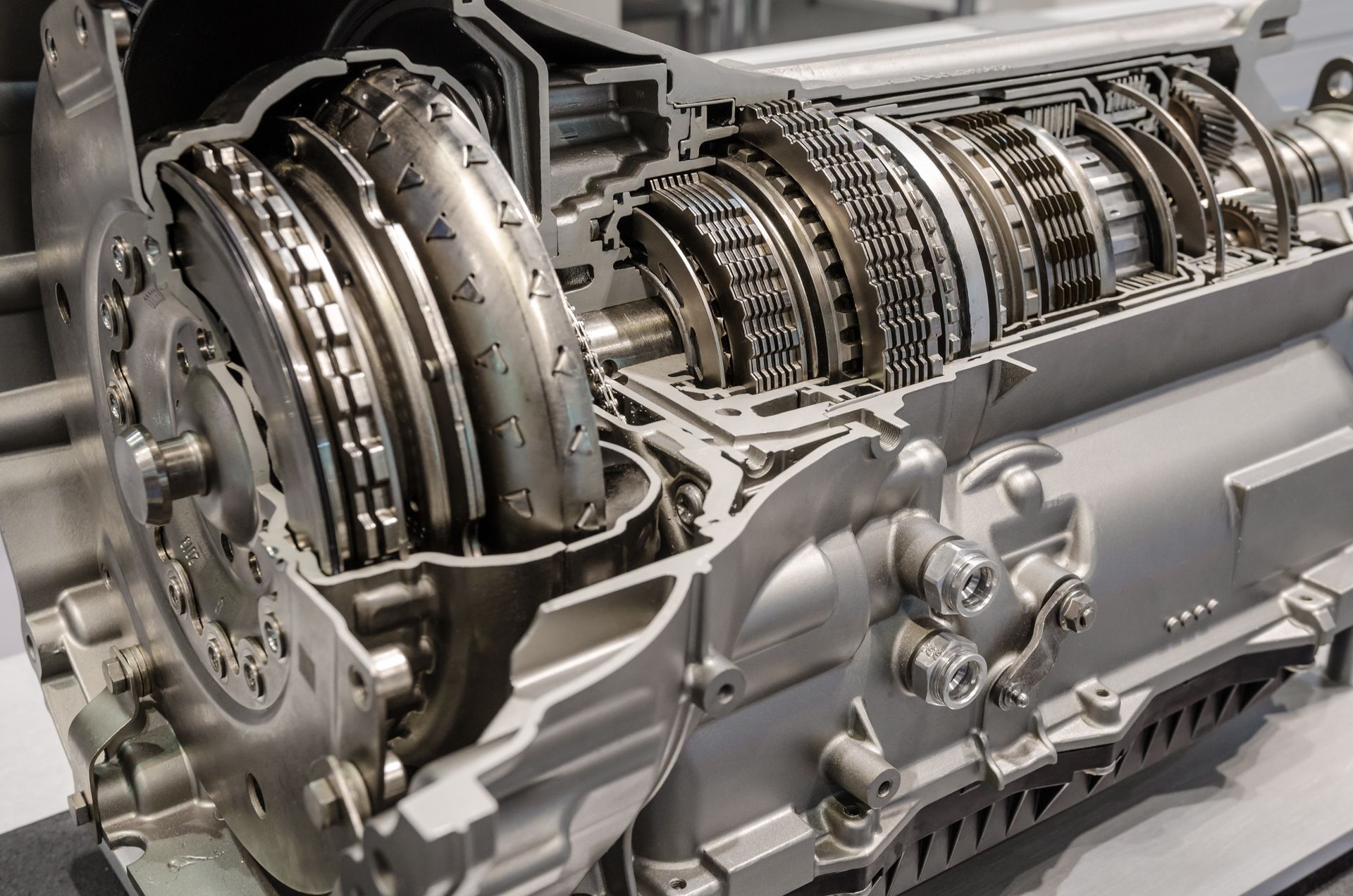
Automatic transmissions in long driven cars often show their age through delayed engagement, flares between gears, or a mild shudder on light acceleration. Sometimes the fluid is dark, smells burnt, or looks like it has never been changed. That is common on vehicles that have spent a lot of time in stop and go traffic.
A proper service with the correct fluid and filter can help if it is done before damage gets severe. When we drive a high-mileage car, we pay close attention to how it behaves when taking off from a stop, shifting into higher gears, and backing up. Any delay, slip, or strong bang into gear deserves a closer look before it becomes a full rebuild conversation.
5. Brake Wear, Pulsation, and Rusty Hardware
On older cars, we see a mix of worn pads, grooved rotors, and rusty hardware. The pedal may pulse on downhill braking, or the steering wheel may shake when you slow from highway speeds. That usually means the rotors are warped or uneven from heat and age.
There is also the hidden rust issue. Caliper slides and pad clips can corrode, causing pads to drag and wear unevenly. A proper brake service on a higher mileage car is more than pads and rotors; cleaning and lubricating hardware is a big part of getting a solid, even braking feel back.
6. Charging, Battery, and Electrical Gremlins
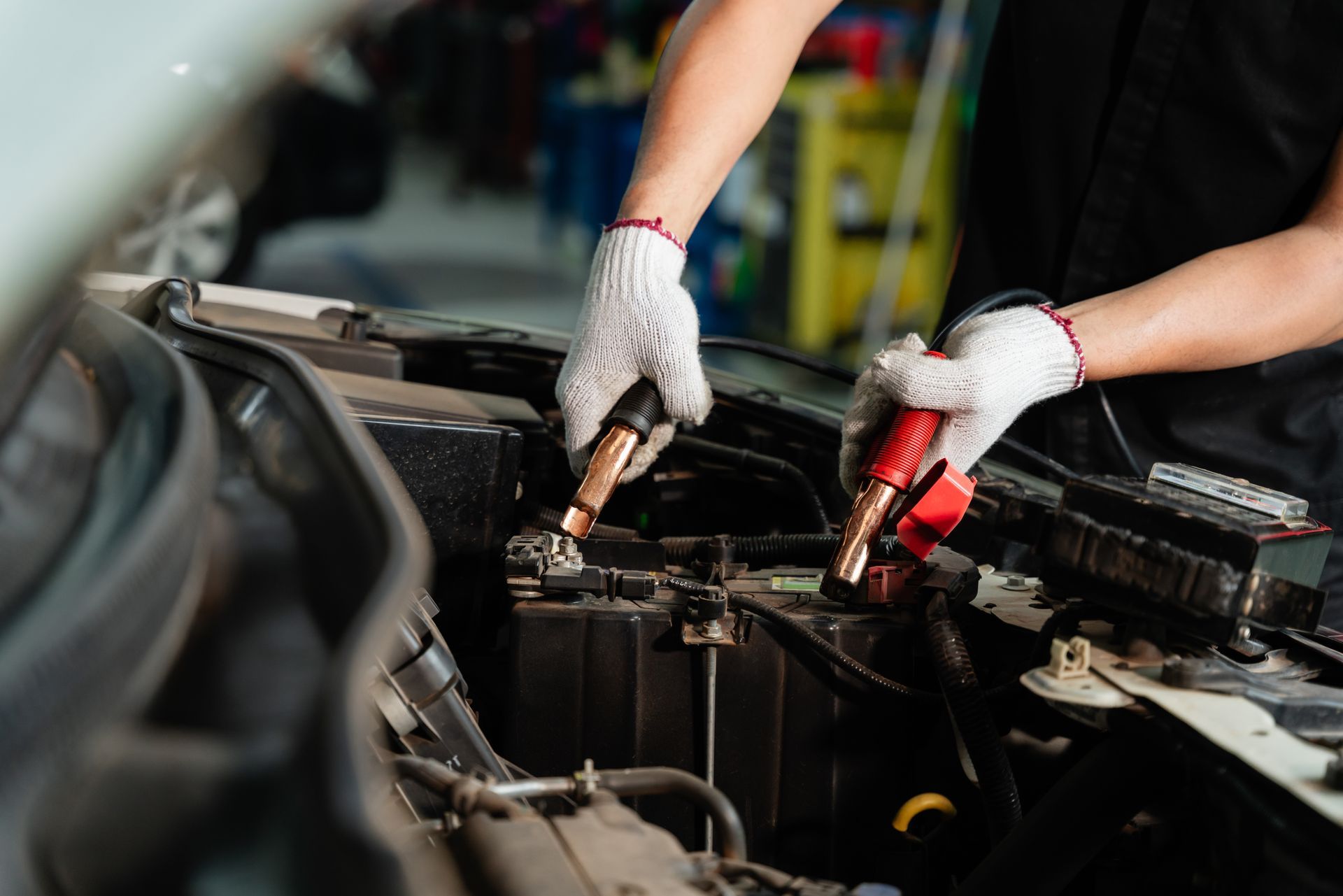
Miles and years are tough on electrical systems. Alternators, batteries, and grounds all age together. You might notice slow cranking, flickering lights at idle, or random warning lights that come and go. Sometimes it is a weak battery, other times the alternator is just not keeping up anymore.
Here are common electrical clues we see on older cars:
- Battery is more than four or five years old with repeated jump starts
- Dashboard lights that brighten and dim with engine speed
- Accessories cut out briefly when you hit bumps
When a car shows those symptoms, we test the whole starting and charging system instead of just throwing a battery at it.
7. Check Engine Lights from Sensors and Emissions Parts
High-mileage cars tend to stack up check engine codes from oxygen sensors, evap leaks, catalytic converter efficiency, and misfires. Heat, vibration, and time slowly wear out sensors and rubber hoses. Sometimes you will not feel a big driveability change at first, just the light.
We have seen plenty of people ignore a solid check engine light for months, right up until the car needs a registration or emissions test. If the light is on, especially with rough running or poor fuel economy, it is worth scanning and diagnosing before it turns into a bigger repair or a failed test.
Get High-Mileage Car Service in Burbank, CA with Olive Auto Center
If your odometer is well into the six figures and you are noticing new noises, warning lights, or changes in how the car feels, a focused high-mileage checkup can keep it dependable. We can look over the common trouble spots, prioritize what needs attention now, and help you plan the rest around your budget.
Schedule high-mileage car service in Burbank, CA with
Olive Auto Center, and we will help you get more safe, reliable miles out of the car you already own.