Posted on 6/26/2026
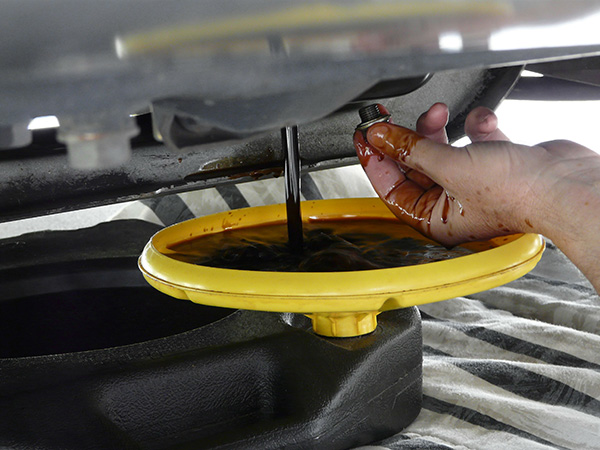
A lot of drivers pull the dipstick, look at the oil, see that it is dark, and immediately assume the answer is obvious: it must be time for an oil change. We understand why. Clean oil looks lighter and fresher, so darker oil naturally feels like a warning sign. But at our shop, we usually tell people the same thing: dark oil does not automatically mean the oil is bad. That surprises a lot of drivers. Oil color can tell you something, but not nearly as much as most people think. In many engines, oil starts darkening pretty quickly after a fresh oil change, and that can be completely normal. The real question is not just what color the oil is. It is whether the oil is still doing its job properly based on mileage, time, engine condition, and the way the vehicle is being driven. So if you checked your oil and it looks darker than you expected, that does not necessarily mean you are overdue. But it also does not mean you should ignore it. The key is understanding what dark oil actually m ... read more
Posted on 5/29/2026
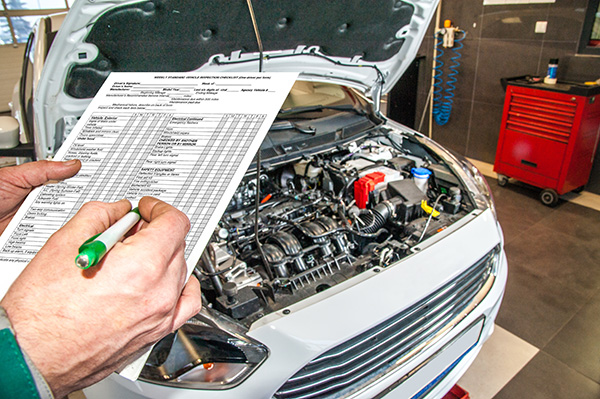
A car does not wake up one morning and suddenly decide to be unreliable. Most of the time, it gives little hints first. A slower start. A tire is wearing on one edge. A faint oil smell after parking. A coolant level that keeps dropping just a bit. Preventive maintenance is how those hints get caught early. The goal is not to replace parts before they need to be replaced. It is to keep the vehicle from sliding into expensive repairs because small wear points went unnoticed for too long. Preventive Maintenance Starts With A Baseline A baseline tells you what normal looks like for your car. Oil level, coolant level, brake wear, tire condition, battery health, fluid color, belts, hoses, and scan data all help build that picture. Without a baseline, every future issue feels like a surprise. With one, you can tell whether the oil leak is new, the tires are wearing faster than before, or the battery has started getting weaker since the last visit. This is especially use ... read more
Posted on 4/30/2026
%20copy.jpg)
Coolant loss can be confusing, especially when there is no obvious puddle under the car. You check the reservoir, top it off, and a few days or weeks later, it is low again. With no clear leak in sight, it starts to feel like the coolant is just disappearing. In reality, coolant does not vanish on its own. When levels keep dropping, there is always a reason, even if it is not easy to spot at first. Internal Engine Leaks Can Go Unnoticed One of the more serious causes of coolant loss is an internal engine leak. A failing head gasket or a small crack in a component can allow coolant to enter areas where it should not be. In these cases, coolant may mix with engine oil or be burned during combustion. That means you will not see a visible leak, but the coolant level will continue to drop over time. Evaporation From Small Cooling System Leaks Not all leaks leave a noticeable puddle. Small leaks can slowly release coolant, and heat from the engine can ... read more
Posted on 3/27/2026
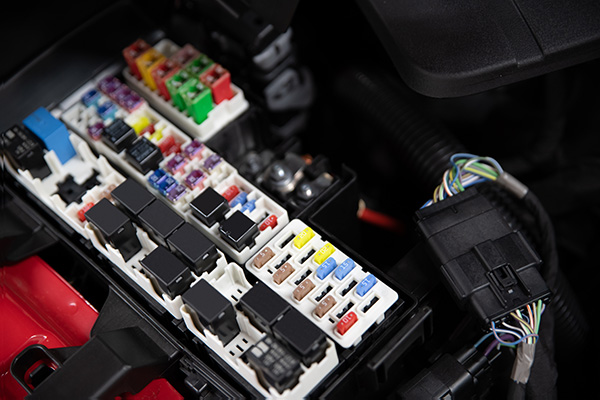
Electrical issues often seem random at first. You may notice dim headlights, a slow power window, a warning light, or a radio glitch, and assume they are separate problems. In many cases, a bad ground wire is what connects them all. What A Ground Wire Actually Does Every electrical circuit in your car needs a path to send power out and a path to bring it back. The ground side handles that return path. When the ground connection is clean and secure, voltage flows through the system as it should, and the component works normally. When that ground path becomes loose, corroded, or damaged, resistance goes up. The current no longer flows smoothly, and the affected system starts behaving strangely. That is why a ground problem can look like a bad battery, a failing alternator, or a defective module when the real issue is the return path itself. Why The Symptoms Feel So Random A weak ground does not always fail completely. In many cases, it works part o ... read more
Posted on 2/27/2026
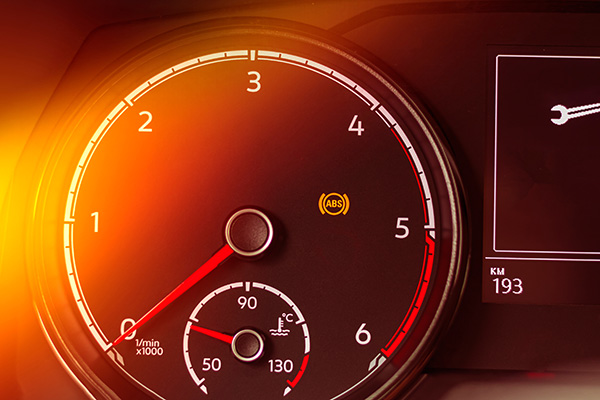
Seeing the ABS light pop on can be confusing, since the car often still brakes normally. ABS is the anti-lock braking system, and its job is to help keep the tires from locking up during hard stops or slippery conditions. When that light is on, it usually means the system has switched itself off because it detected a fault. Your regular brakes still work, but you may lose the extra control ABS provides when you need it most. What The ABS Light Is Telling You The ABS system watches wheel speed and compares what each tire is doing as you brake. If one wheel starts to slow too fast, ABS pulses brake pressure to help that tire keep rolling, which helps you steer while slowing down. When the light comes on, the vehicle is telling you it cannot rely on part of that system, so it disables ABS as a safety default. That does not automatically mean the brakes are about to fail. It means the anti-lock feature is not available until the issue is fixed. The safest mindset is to ... read more
Posted on 1/30/2026
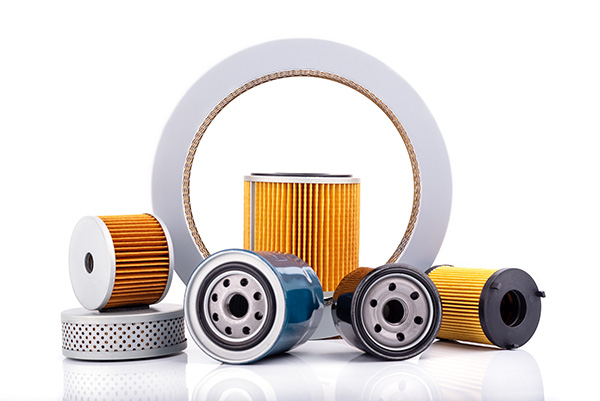
Most drivers only notice filters when something changes, like weaker airflow from the vents or a car that feels a little lazier on hills. Filters usually fail quietly, so it is easy to forget they are even doing a job. They can clog long before you hear a noise or see a warning on the dashboard. Stay ahead of them, and the vehicle tends to behave more predictably. It is one of those small maintenance habits that prevents a lot of annoying side effects later. Below is a plain-English breakdown of the main filters, what you may notice when they are overdue, and a replacement rhythm that fits real driving. Why Filters Are A Bigger Deal Than Most People Think Filters keep dirt and debris out of systems that are built with tight clearances, so contamination does not grind away at parts or build up deposits. They also protect airflow. Your engine needs steady, clean air to run efficiently, and your HVAC needs steady airflow to heat, cool, and defog the cabin. When airflow ... read more