Seeing the ABS light pop on can be confusing, since the car often still brakes normally. ABS is the anti-lock braking system, and its job is to help keep the tires from locking up during hard stops or slippery conditions. When that light is on, it usually means the system has switched itself off because it detected a fault.
Your regular brakes still work, but you may lose the extra control ABS provides when you need it most.
What The ABS Light Is Telling You
The ABS system watches wheel speed and compares what each tire is doing as you brake. If one wheel starts to slow too fast, ABS pulses brake pressure to help that tire keep rolling, which helps you steer while slowing down. When the light comes on, the vehicle is telling you it cannot rely on part of that system, so it disables ABS as a safety default.
That does not automatically mean the brakes are about to fail. It means the anti-lock feature is not available until the issue is fixed. The safest mindset is to treat it as a reduction in capability, especially in rain, on gravel, or during panic stops.
Can You Keep Driving With The ABS Light On?
In many cases, you can continue driving carefully to get the vehicle serviced, as long as the brake pedal feels normal and the red brake warning light is not on. You should increase following distance and avoid aggressive braking because wheel lockup is more likely without ABS. If you need to slam the brakes, the tires may skid instead of pulsing, and that can lengthen stopping distance on slick roads.
If you notice a low pedal, a pedal that slowly sinks, grinding noises, or the red brake light alongside the ABS light, stop driving and get help. Those symptoms suggest a hydraulic brake issue, not just ABS. When in doubt, treat any change in braking feel as a reason to park the car and get it checked.
How ABS Problems Show Up Behind The Wheel
Sometimes the only symptom is the warning light. Other times, you might feel the brake pedal behave oddly during a stop, especially on bumpy pavement. A common complaint is the pedal pulsing lightly at low speed when it should not, like when rolling up to a stop sign on a smooth road.
You may also notice traction control turning off, since many vehicles share sensors between ABS and stability systems. That can leave the car feeling less planted during quick lane changes or wet-weather starts. We have seen plenty of cases where drivers thought the engine was acting up, but
the real issue was a wheel speed sensor signal cutting in and out.
Common ABS Light Causes
ABS faults are often electrical or sensor-related, and they tend to show up after road grime, winter moisture, or a recent brake job. Here are some of the most common reasons the light comes on:
- Dirty or damaged wheel speed sensor
- Broken sensor wiring near the wheel or suspension
- Cracked or rusted tone ring that the sensor reads
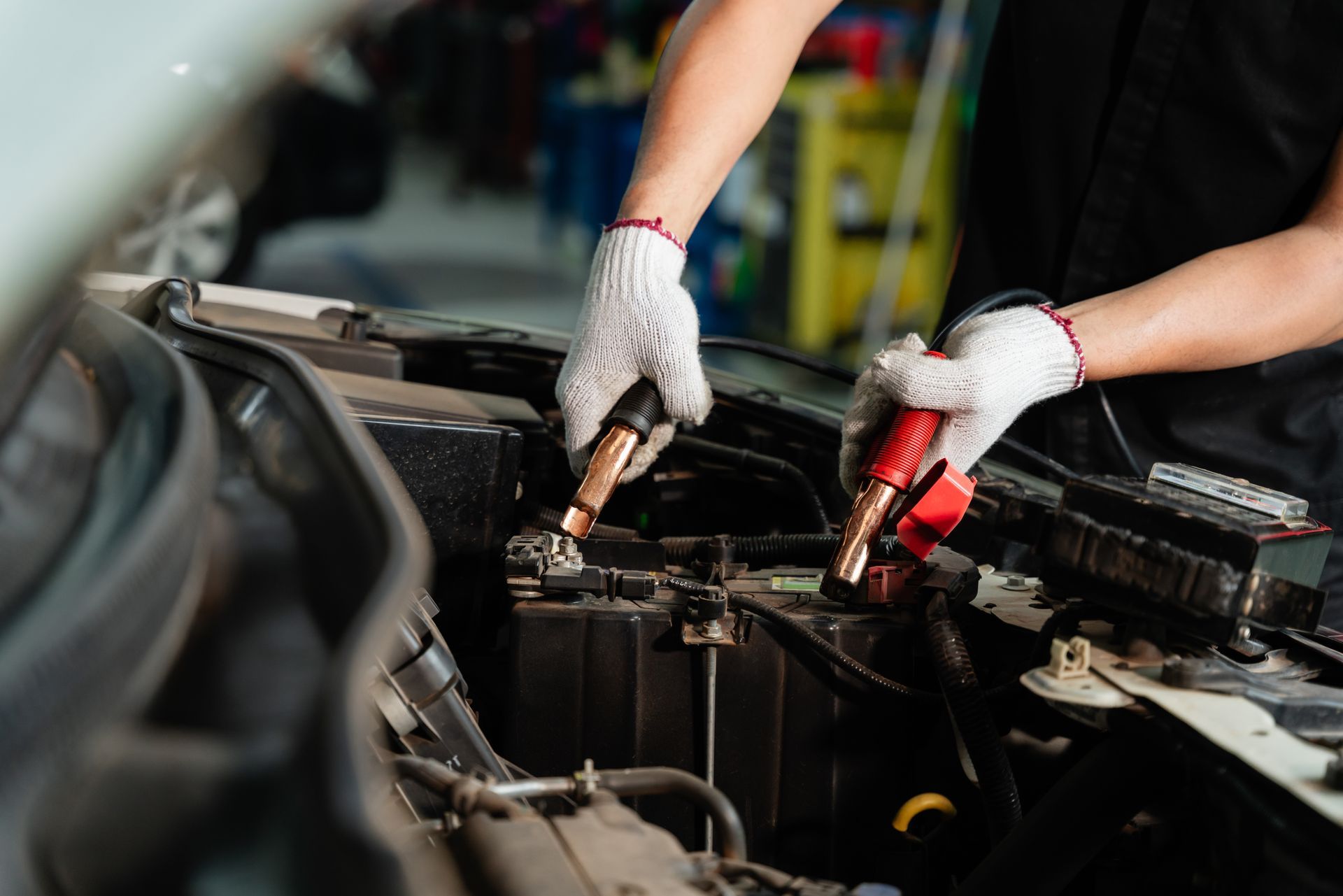
- Low system voltage from a weak battery or charging issue
- ABS module or pump motor fault
A scan tool usually points you toward the corner of the car that triggered the code. That saves time because you can focus on one wheel area instead of guessing at random parts.
Quick Checks You Can Do In Your Driveway
Start by looking at the basics around each wheel. Check for obvious damage to the wiring harness near the tire, especially if it looks rubbed through or pulled tight. If you recently hit a pothole or had suspension work done, a wire can get stretched or clipped in the wrong spot.
Next, look for heavy buildup around the sensor area, especially if the wheel well is packed with grime. Sometimes a careful cleaning helps, but do not pry on sensors or connectors if you are not sure how they lock. A quick inspection of the harness routing and connector seating can reveal a simple issue before it becomes a bigger repair.
Why Fixing It Soon Saves You Money
An ABS light is easy to ignore when the car still stops, but it can lead to extra wear if the root problem is related to bearings, tone rings, or worsening wiring. A damaged tone ring can progress from an intermittent light to a constant light, and then to traction control faults as well. If a wheel bearing is developing play, the sensor reading can get sloppy and the problem can snowball into a louder, more expensive fix.
This is also one of those items that regular maintenance catches early. When the vehicle is already in for brakes or tire rotation, it is a smart time to check sensor wiring, bearing play, and any stored codes. Getting ahead of it keeps you from losing ABS at the exact moment you need a controlled stop.
Get ABS Light Repair In Burbank, CA With Olive Auto Center
If you’re dealing with an ABS light, the next step is having the system checked so it’s fixed correctly. Schedule service or visit
Olive Auto Center in Burbank, CA when you want a clear answer and a quality repair.