Coolant loss can be confusing, especially when there is no obvious puddle under the car. You check the reservoir, top it off, and a few days or weeks later, it is low again. With no clear leak in sight, it starts to feel like the coolant is just disappearing.
In reality, coolant does not vanish on its own. When levels keep dropping, there is always a reason, even if it is not easy to spot at first.
Internal Engine Leaks Can Go Unnoticed
One of the more serious causes of coolant loss is an internal engine leak. A failing head gasket or a small crack in a component can allow coolant to enter areas where it should not be.
In these cases, coolant may mix with engine oil or be burned during combustion. That means you will not see a visible leak, but the coolant level will continue to drop over time.
Evaporation From Small Cooling System Leaks
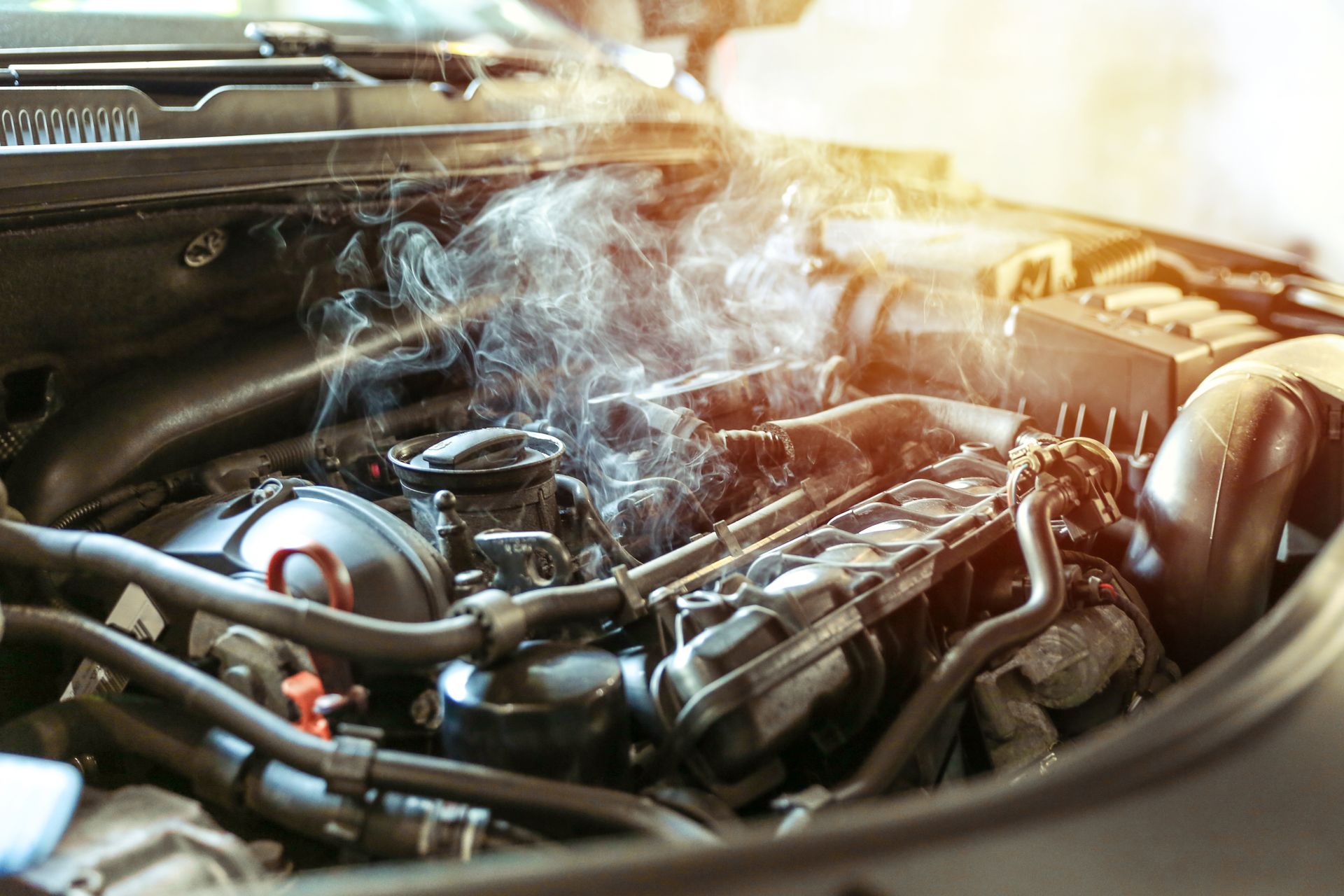
Not all leaks leave a noticeable puddle. Small leaks can slowly release coolant, and heat from the engine can cause it to evaporate before it reaches the ground.
Hoses, clamps, and connections are common places for this type of leak. You might notice a faint sweet smell or residue around components rather than a visible drip.
Radiator Cap Problems Can Allow Coolant Loss
The radiator cap plays a key role in maintaining proper cooling system pressure. If the cap is worn or not sealing correctly, coolant can escape as vapor.
That loss may not leave a clear trace, but it can reduce coolant levels over time. Replacing a faulty cap is a simple fix that can prevent ongoing issues.
Heater Core Leaks Inside The Cabin
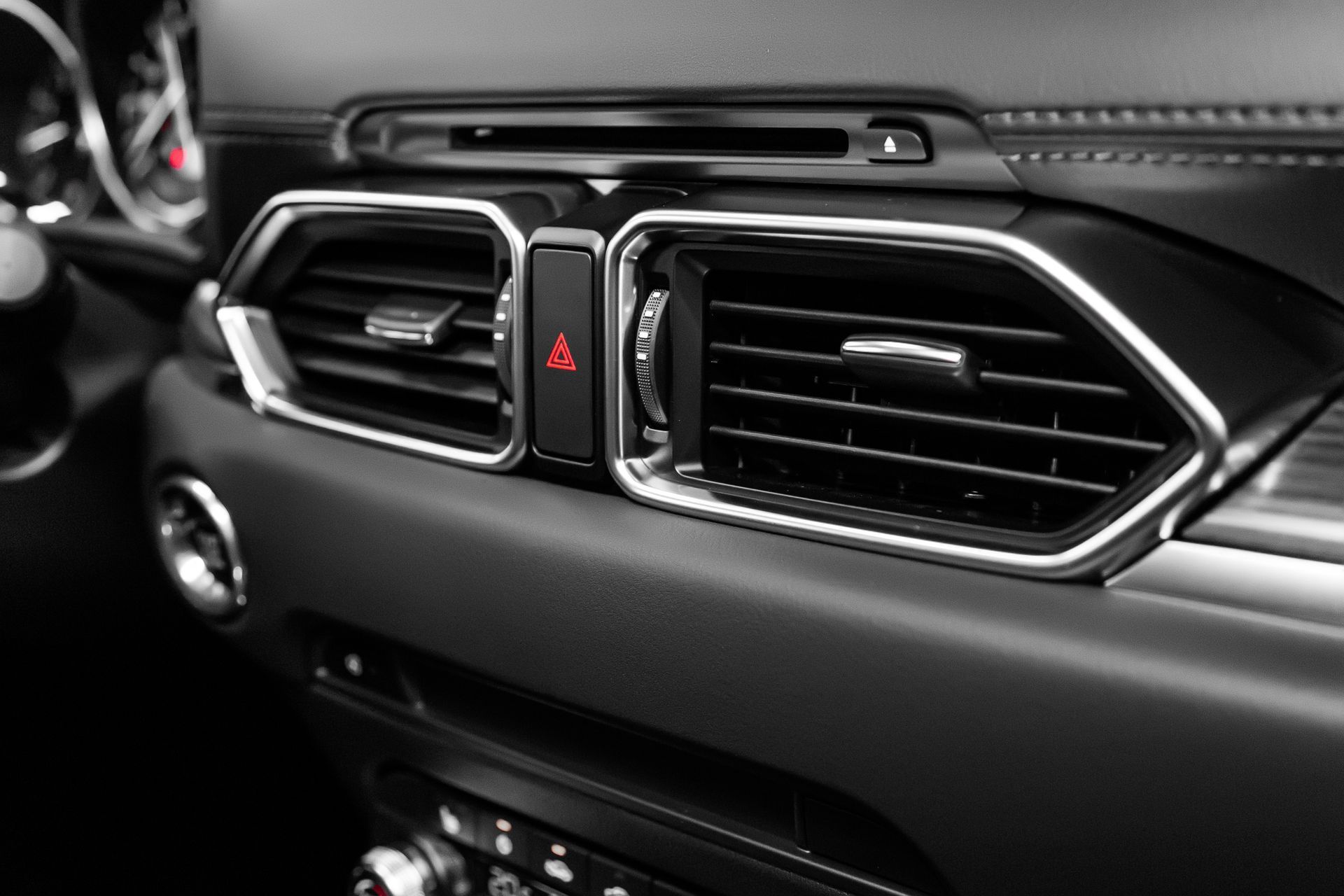
The heater core is part of the cooling system and is located inside the dashboard. If it develops a leak, coolant can escape inside the cabin rather than under the vehicle.
Signs of a heater core issue can include a sweet smell inside the car, foggy windows, or damp carpeting. These symptoms are easy to overlook if you are not specifically looking for them.
Coolant Overflow From Overheating
If the engine runs hotter than it should, coolant can be pushed out through the overflow system. This can happen without leaving a clear puddle, especially if the coolant evaporates quickly.
Overheating may be caused by other issues in the cooling system, so coolant loss is sometimes a symptom rather than the root problem.
Air Pockets In The Cooling System
Air trapped in the cooling system can affect how coolant circulates. In some cases, it can cause levels to appear inconsistent or lead to small losses over time.
Properly bleeding the system during service helps ensure coolant is distributed correctly and reduces the chance of this issue.
Why Ignoring Coolant Loss Is Risky
Even if the loss seems small, it should not be ignored. Coolant levels that continue to drop can lead to overheating, which puts stress on the engine.
Over time, this can lead to damage that is far more expensive to repair than the original issue. Addressing the cause early helps protect the engine and the rest of the cooling system.
How Regular Maintenance Helps Catch Hidden Issues
Cooling system checks during regular maintenance can reveal problems that are not immediately visible. Inspecting hoses, pressure testing the system, and checking for internal leaks all help identify the cause.
An inspection can also confirm whether the coolant itself is in good condition and whether the system is operating as it should.
When To Schedule A Cooling System Inspection
If you are adding coolant more than once or notice levels dropping without a clear reason, it is time to have the system checked.
Even without visible leaks, there is always a source. Finding it early helps prevent overheating and keeps the repair more manageable.
Get Cooling System Service In Burbank, CA, With Olive Auto Center
If your vehicle is losing coolant and you cannot find the cause,
Olive Auto Center in Burbank, CA, can perform a full inspection to locate the issue before it causes engine damage.
Call today to schedule your appointment and make sure your cooling system is working the way it should.