Buying a used car from a private seller can get you a fair price, but you’re also taking on more of the homework yourself. There’s no service department down the hall and no sales manager to ask what was repaired last month. You’re looking at the car, the paperwork, and whatever the owner can tell you.
A clean interior and a short drive around the block don’t tell you much about what the car may need next. Before money changes hands, check a few areas carefully, especially on a vehicle with an unknown maintenance history.
1. Start With the Service Records
Receipts tell you far more than a seller saying the car was always maintained. Look for oil changes, brake work, coolant service, transmission service, spark plugs, timing belt replacement where applicable, and any larger repairs.
The pattern matters. A folder showing years of regular maintenance is reassuring because it shows the owner paid attention before something failed. A stack of very recent receipts for several unrelated repairs deserves a few questions too. Sometimes that simply means the owner prepared the car for sale. Other times, it means several problems started showing up at once.
2. Look at the Engine Before It Has Been Started
If possible, ask the seller not to warm the car up before you arrive. A cold start can reveal rattles, smoke, slow cranking, rough idle, or noises that disappear once the engine heats up.
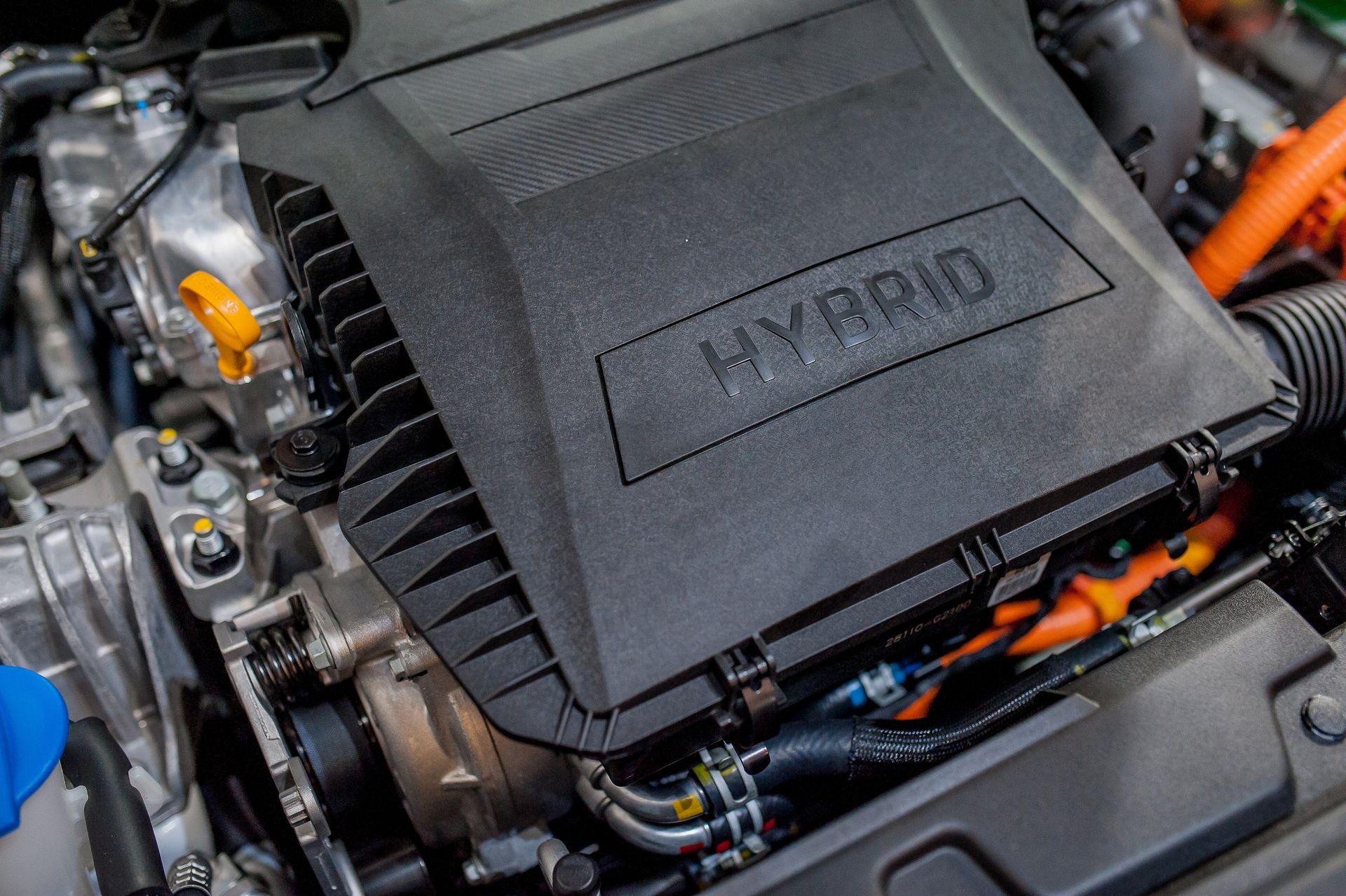
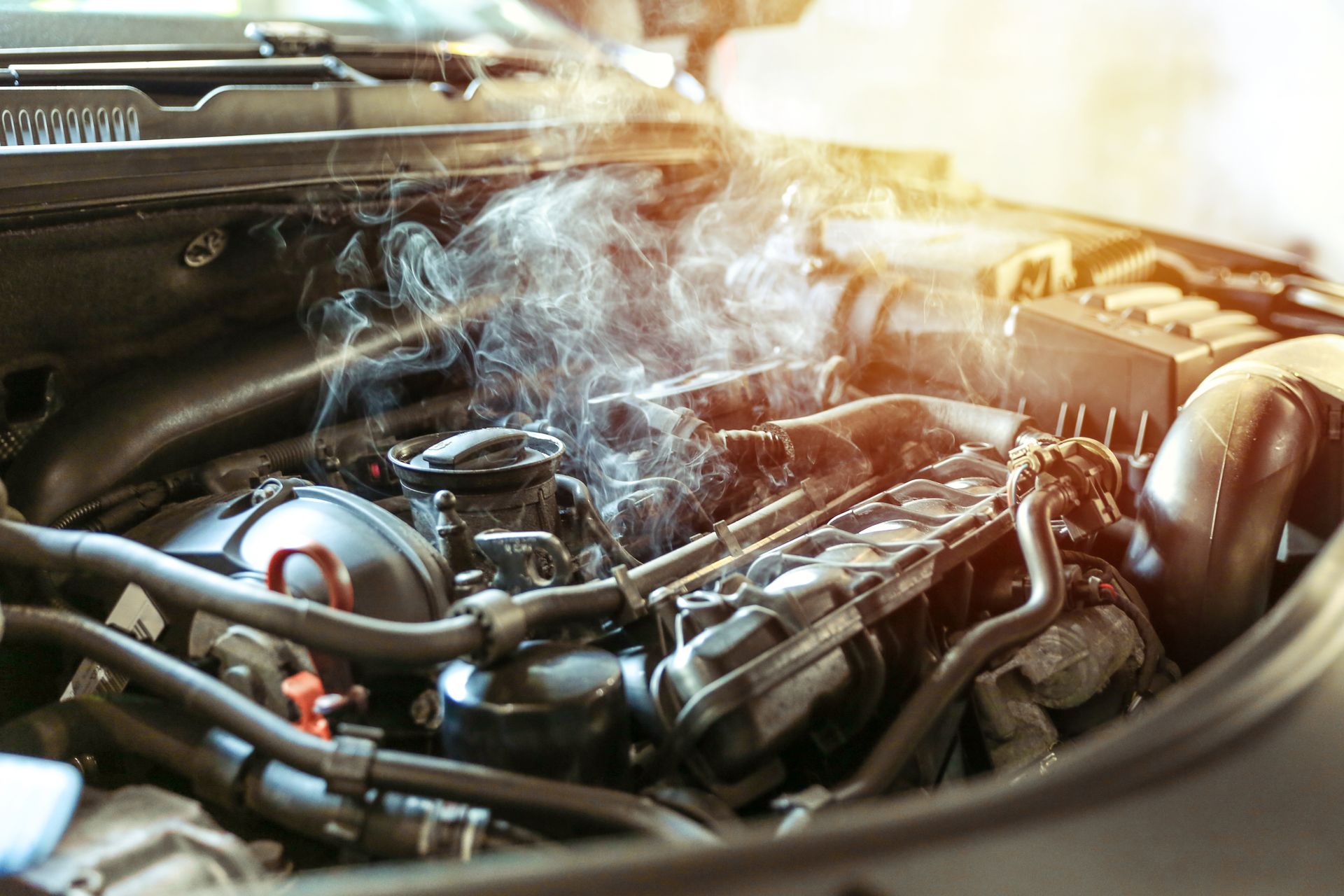
Open the hood before starting it. Check the engine oil level, coolant reservoir, obvious leaks, loose hoses, and signs that someone has sprayed or wiped away fresh fluid. A little grime on an older engine is normal. An engine that is suspiciously spotless in one area while oil is wet farther down deserves a closer look.
3. Check All Four Tires, Including the Inner Edges
Tires can expose suspension and alignment problems long before the car starts pulling badly. Don’t just kick the sidewall or look at the outer tread. Turn the steering wheel and inspect the inner shoulders of the front tires too.
Uneven wear can tell you quite a bit. Inner-edge wear may point toward alignment or suspension issues. Cupping can show up with worn shocks, struts, or loose components. Four different tire brands or noticeably different tread depths don’t automatically make the car a bad buy, but they can show how the previous owner handled tire replacement.
4. Pay Attention to the Brakes During the Test Drive
A private-seller test drive should include more than one gentle stop. Find a safe road and make several normal stops from different speeds. The pedal should feel consistent, and the car shouldn’t pull sharply left or right.
Watch for steering-wheel shake while braking, grinding, squealing that continues after several stops, or a pedal that feels unusually soft or hard. New brake pads don’t guarantee the entire system is healthy. Rotors, calipers, hoses, brake fluid, and rear brakes can still need attention even when the front pads were recently replaced.
5. Let the Engine and Transmission Get Fully Warm
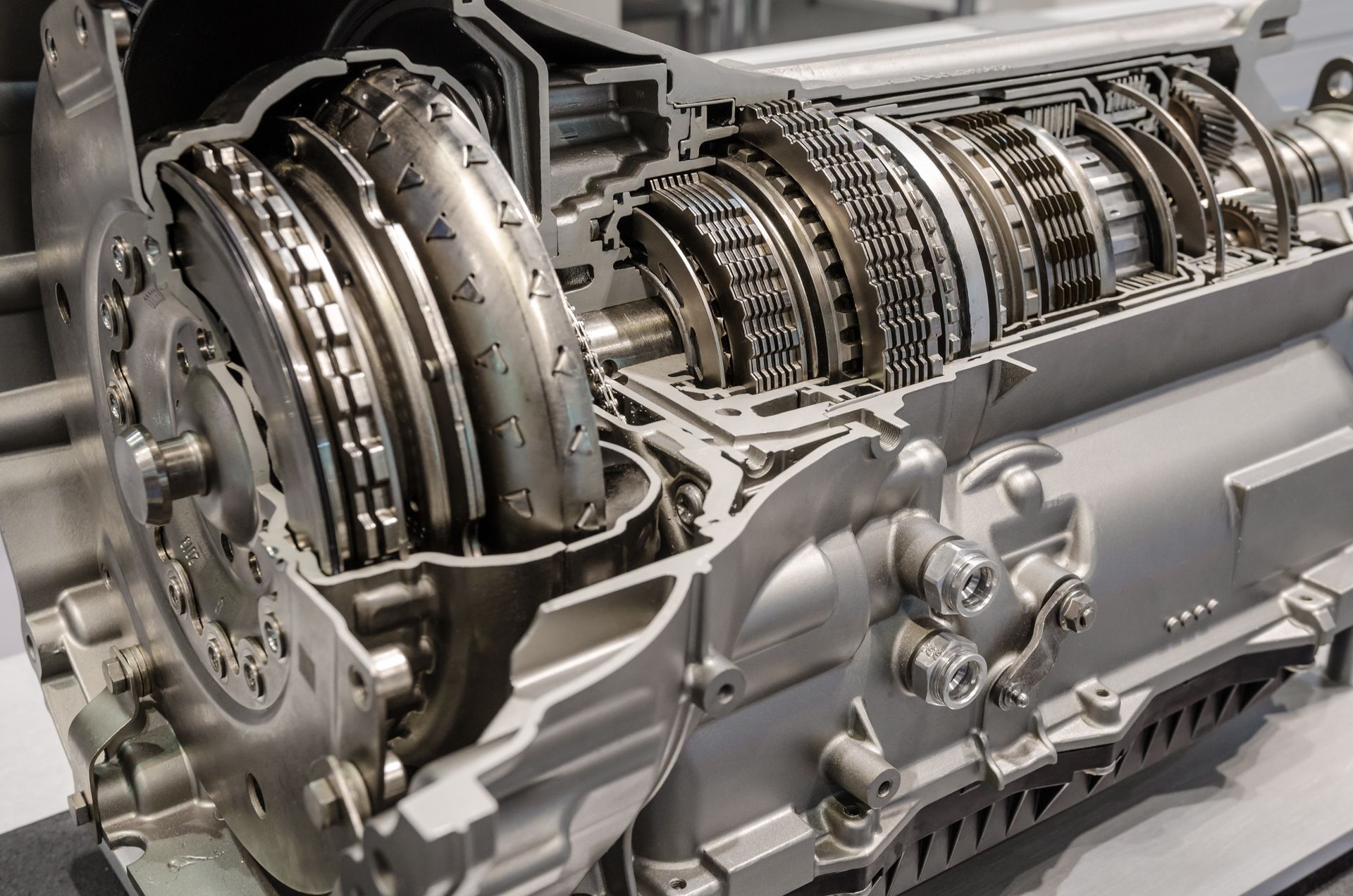
Some of the most expensive used-car problems don’t show up in the first five minutes. A transmission may shift perfectly when cold and begin slipping after twenty minutes. An ignition coil may misfire only when hot. Cooling fans might not reveal a problem until the engine has idled with the A/C on.
Drive long enough to reach normal operating temperature. Accelerate on an uphill section if possible, feel how the transmission shifts, and watch the temperature gauge. If the seller insists on an extremely short test drive, that alone is worth asking about.
6. Scan the Car Even if No Warning Lights Are On
A clear dashboard doesn’t mean the computer has nothing to report. Pending trouble codes can exist before the check engine light turns on, and recently cleared codes may not have returned yet.
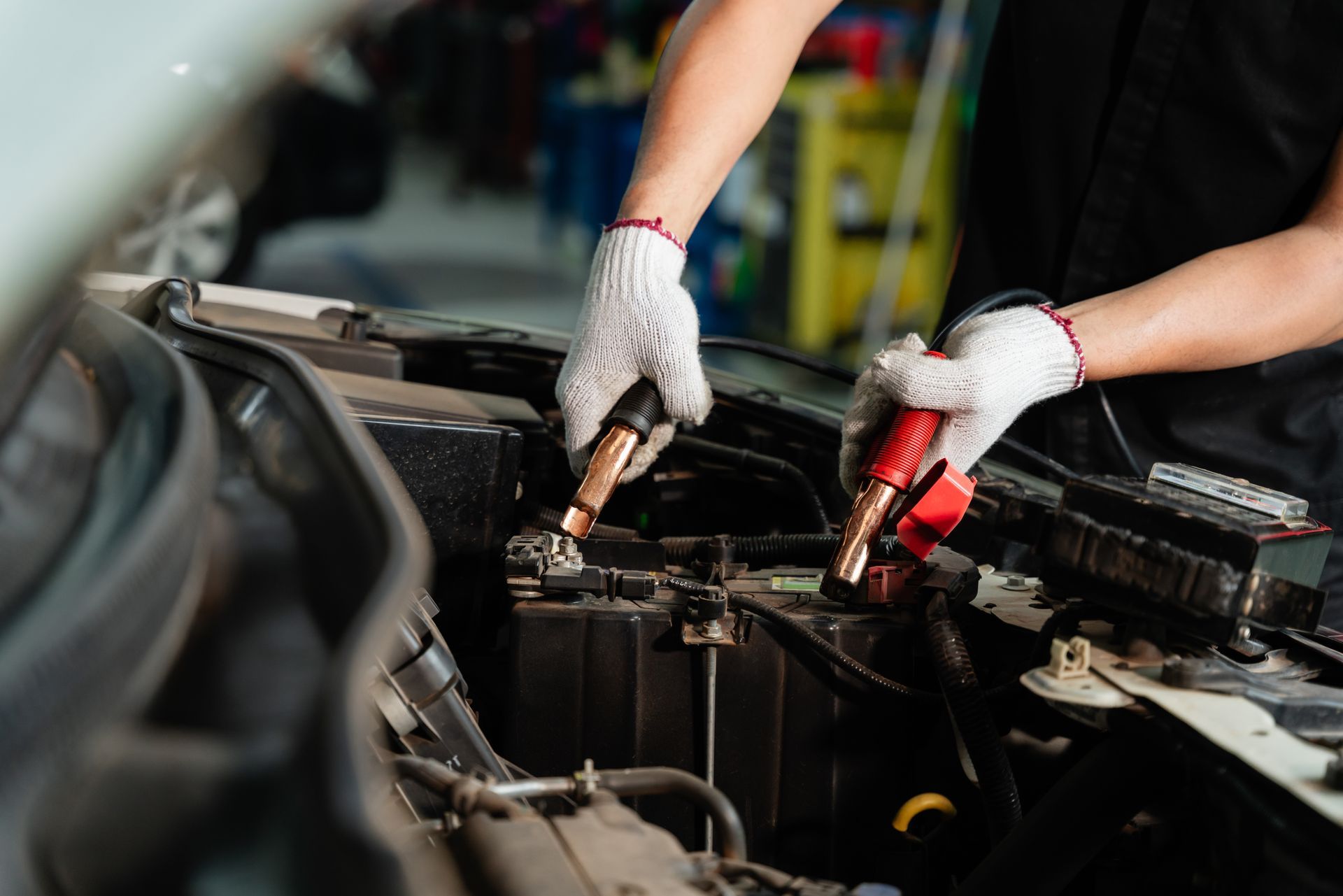
A proper pre-purchase inspection can also check readiness monitors. If several monitors show incomplete, the battery may have been disconnected, or codes may have been cleared recently. There may be a perfectly reasonable explanation, but you want that information before buying the car, not after.
7. Check the Title, VIN, and Vehicle History Together
Make sure the VIN on the dashboard matches the title and the vehicle's identification labels. Check that the seller’s name matches the paperwork and ask about any lien before you hand over payment.
A vehicle history report can add useful context, but don’t treat it as a complete mechanical report. Not every collision or repair gets recorded. That’s why the paperwork and physical condition need to agree. A car listed with no accident history can still show mismatched paint, uneven panel gaps, overspray, or replaced body parts when you look closely.
Get Used Car Pre-Purchase Inspection In Burbank, CA, With Olive Auto Center
If you’re considering a vehicle from a private seller,
Olive Auto Center in Burbank, CA, can check the engine, transmission, brakes, tires, suspension, fluids, warning systems, and other areas before you commit to the purchase.
Contact us to schedule a used car inspection before you exchange payment and take the vehicle home.