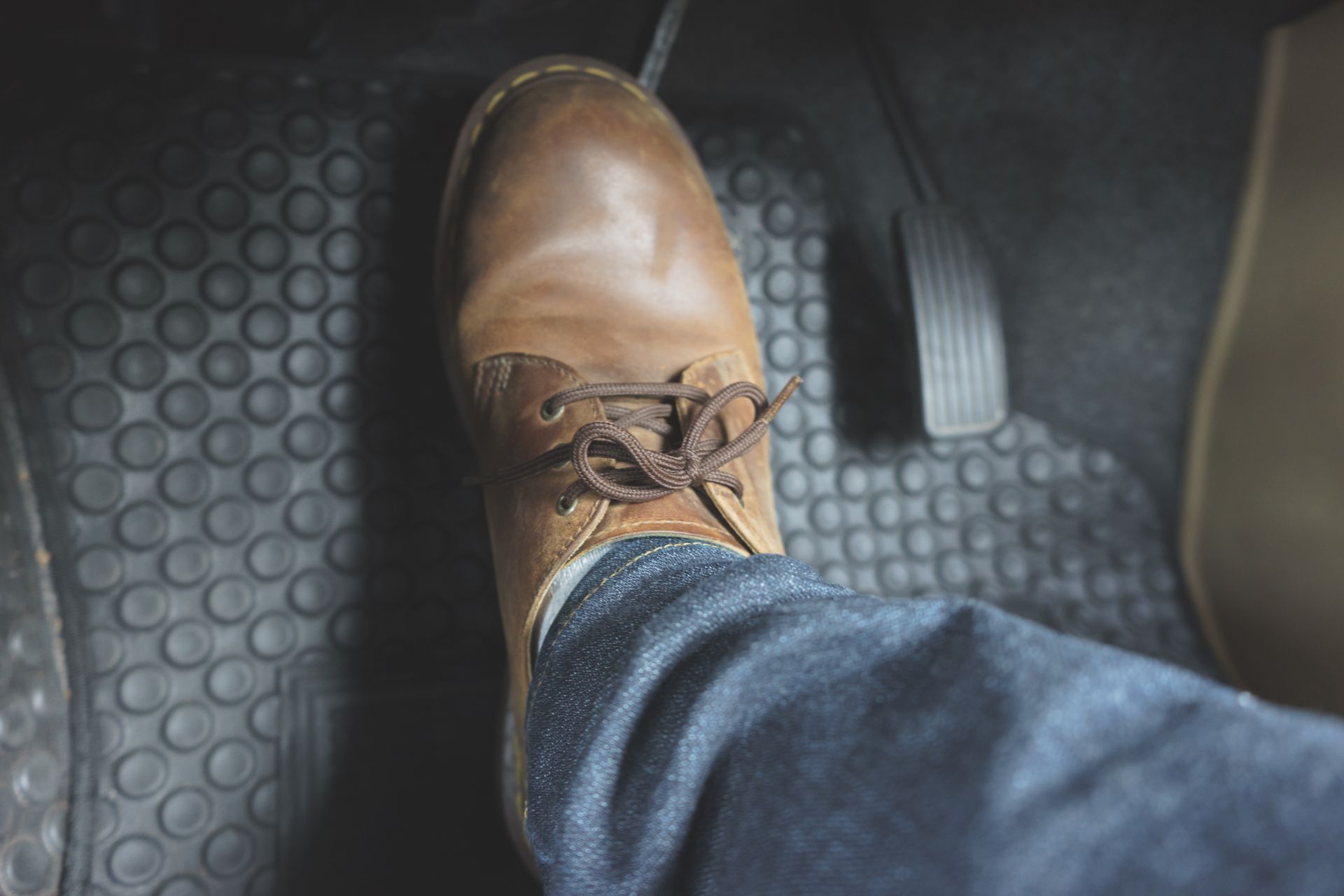
We have all done it. You are running late for work, you back out of your driveway in a hurry, and while the car is still slowly rolling backward, you slam the gear shifter into drive and stomp on the gas. The car gives a little shudder, hesitates for a brief second, and then takes off down the street. It feels like a harmless way to shave two seconds off your morning routine.
At our shop, we completely understand that life gets incredibly busy. Modern drivers are always looking for small ways to save time. However, this specific driving habit is one of the absolute fastest ways to land your vehicle inside our service bay with a catastrophic transmission failure.
The question of whether you truly have to come to a complete stop before switching gears is one we answer all the time at our front desk. Today, we want to look at the mechanical reality of what happens inside your transmission when you shift on the fly, why modern computers cannot always save you from yourself, and how a tiny bit of patience can protect your wallet.
The Tug of War Inside Your Gearbox
To understand why a rolling shift is so destructive, you have to picture what is physically happening inside your transmission. Whether you drive a traditional automatic, a continuously variable transmission, or a rugged manual, the core purpose of this system is to manage the directional power coming from your engine.
When your vehicle is rolling backward in reverse, every single gear, shaft, and fluid coupling inside that transmission is spinning in a specific direction.
If you shift into drive while the vehicle is still moving backward, you are essentially ordering the transmission to instantly reverse its rotation. Instead of using your brakes to stop the momentum of the vehicle, you are forcing the delicate internal components of the transmission to act as the brakes. As a result, it creates an immense amount of mechanical stress. It causes a violent tug of war between the forward momentum of the engine and the rearward momentum of the rolling wheels.
The Hidden Wear and Tear Components
Automatic transmissions rely on a complex network of components to change gears smoothly, and these parts take a massive beating during a rolling shift.
Clutch Packs and Bands:
Inside an automatic transmission are small, friction-lined clutches and bands that squeeze together to engage different gears. When you shift while moving, these components slip excessively against each other as they struggle to stop the car's weight, generating extreme heat and shaving off the vital friction material.
The Torque Converter: This is the fluid-filled component that links your engine to the transmission. A rolling shift forces the internal fluid to violently slosh in the opposite direction, creating a massive spike in pressure that can rupture internal seals over time.
The Parking Pawl: This is a tiny metal pin that drops into a notched ring to lock your vehicle in place when you shift into park. If you slide your car into park while it is still drifting at even two miles per hour, that tiny pin can snap off entirely, leaving you with a vehicle that can roll away unexpectedly.
Why Your Dashboard Lies
A lot of drivers tell us, My car is brand new and completely electronic. The computer wouldn't let me shift into drive if it was going to hurt the transmission. While it is true that modern vehicles feature electronic shift-by-wire systems designed to ignore completely accidental shifts, they are still highly vulnerable to low-speed abuse.
Most manufacturer safety software is programmed to only block a gear change if the vehicle is traveling above a certain threshold, usually around three to five miles per hour. If you are rolling below that speed, the computer will gladly obey your command and execute the shift. It lets you do it, but that does not mean it is healthy for the internal metal hardware. The computer simply expects that you are making a conscious choice and are willing to subject the components to that extra friction.
Simple Habits That Save Your Wallet
A comprehensive transmission rebuild or replacement is easily one of the most expensive automotive repairs you can face, often costing thousands of dollars. The good news is that preventing this type of wear requires absolutely no mechanical skill. It just requires changing your morning rhythm.
When backing out of a parking space or driveway, press your brake pedal firmly down until the vehicle has reached a dead, absolute stop. Pause for just one full second to allow the hydraulic fluid inside the transmission to completely redirect itself and lock the new gear into place. Once the vehicle is settled, release the brake and apply the gas smoothly.
Let Us Keep Your Drivetrain Smooth
Your transmission is a highly sophisticated, delicate machine that relies on smooth operation and clean fluid to survive. If you have been guilty of making rolling shifts for years and are starting to notice a slight hesitation, a harsh clunk when changing gears, or a strange slipping sensation when you accelerate, it is time to have a professional look at the transmission.
Do not ignore the early warning signs of transmission stress. Visit
Olive Auto Center in Burbank, CA, or
book your comprehensive drivetrain inspection online today.