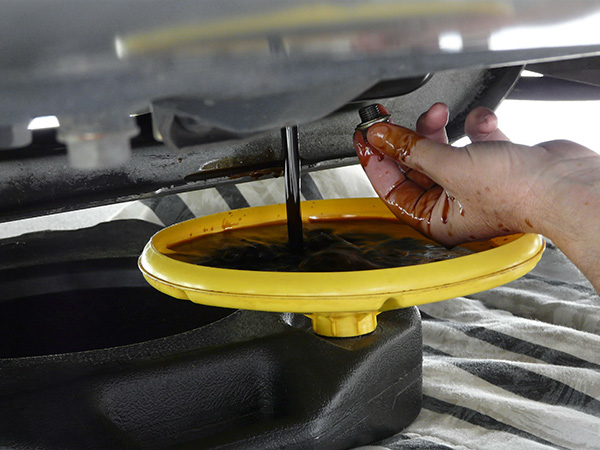
A lot of drivers pull the dipstick, look at the oil, see that it is dark, and immediately assume the answer is obvious: it must be time for an oil change. We understand why. Clean oil looks lighter and fresher, so darker oil naturally feels like a warning sign. But at our shop, we usually tell people the same thing: dark oil does not automatically mean the oil is bad.
That surprises a lot of drivers. Oil color can tell you something, but not nearly as much as most people think. In many engines, oil starts darkening pretty quickly after a fresh oil change, and that can be completely normal. The real question is not just what color the oil is. It is whether the oil is still doing its job properly based on mileage, time, engine condition, and the way the vehicle is being driven.
So if you checked your oil and it looks darker than you expected, that does not necessarily mean you are overdue. But it also does not mean you should ignore it. The key is understanding what dark oil actually means and what it does not.
Why Engine Oil Gets Dark In The First Place
Motor oil does more than just lubricate moving parts. It also helps clean the engine by carrying away contaminants, combustion byproducts, and tiny particles that build up during normal operation. As it does that job, the oil often changes color.
In other words, oil getting darker is not always a sign that something is wrong. Sometimes it is a sign that the oil is doing exactly what it was designed to do.
Heat also changes how oil looks over time. Engine oil lives in a hot environment, and even under normal conditions, it is going to darken as it circulates through the engine. That is especially true in engines that run hotter, see lots of stop-and-go driving, or go through short trips where the engine never fully settles into long, steady operation.
So yes, darker oil is normal to a point.
Fresh Oil Does Not Stay Honey-Colored For Long
This is one of the most common misconceptions we see. A lot of people expect oil to stay light and clean-looking for a long stretch after a service. In reality, that fresh golden-brown look often does not last very long.
Depending on the engine and driving conditions, oil can darken fairly quickly after a change. That does not mean it has suddenly worn out. It just means it has started circulating through the engine, picking up contaminants, and going to work.
Diesel engines are an especially strong example of this. Oil in diesel engines can darken very quickly, often much faster than drivers expect, and that is not automatically a problem. Gas engines can do it too, just usually not as dramatically.
Color Alone Is Not A Reliable Oil Change Schedule
This is the big takeaway. You should not base oil change timing on color alone.
At our shop, we look at a much bigger picture:
Those factors matter much more than whether the oil looks dark on the dipstick.
For example, a vehicle may have dark-looking oil that is still well within its proper service interval. On the other hand, a vehicle may have oil that does not look terrible but is overdue by mileage or time and needs to be changed anyway.
What Dark Oil Can Mean
Dark oil is not meaningless. It just is not a complete answer by itself.
Sometimes dark oil simply means:
- The oil has been circulating normally and collecting contaminants
- The engine runs in conditions that darken oil faster
- The oil has been in use long enough to lose its fresh appearance
In other cases, dark oil may suggest:
That is why context matters so much. The same dark color can mean different things depending on what else is going on with the vehicle.
Texture And Smell Matter More Than Color Alone
If you are checking your oil, there are other things worth noticing besides color. Oil that feels gritty, smells strongly burnt, or looks unusually thick or sludgy is much more concerning than oil that is simply darker than fresh oil.
A few signs that deserve more attention include:
- Burnt smell
- Thick, sludgy consistency
- Gritty texture
- Milky appearance
- Extremely low level on the dipstick
These signs can suggest contamination, overheating, moisture intrusion, or neglected service. That is a very different situation from normal darkening.
For example, milky oil may point to coolant contamination. Burnt-smelling oil may suggest excessive heat or overdue oil life. Those are things we take much more seriously than a normal color change.
Driving Habits Affect Oil Life More Than People Realize
Another reason color alone can be misleading is that oil condition is heavily influenced by how the car is driven. Two vehicles with the same oil and the same mileage on the oil may not be in the same situation at all.
Frequent short trips, long idling, stop-and-go traffic, hot weather, towing, and dusty driving all put more stress on oil. A vehicle used that way may need closer attention than one that mostly sees easy highway driving.
This is why manufacturer schedules often separate normal driving from severe driving. A lot of drivers fall into the severe-use category without realizing it, which can make oil service timing more important than the dipstick color.
Some Engines Naturally Darken Oil Faster
This is another detail people do not always know. Some engines simply darken oil faster than others. Engine design, combustion characteristics, internal cleanliness, and overall age can all affect how quickly the oil changes appearance.
An older engine with more internal deposits may darken fresh oil faster than a newer, cleaner engine. That does not automatically mean the old engine is in immediate trouble. It just means oil color is being influenced by more than one thing. This is another reason we do not like using visual color checks as the only way to judge oil life.
The Owner’s Manual Still Matters Most
If you really want the best answer for when to change your oil, the owner’s manual is still the best place to start. Your manufacturer gives service intervals based on the engine design and recommended oil type. Some vehicles also use oil life monitoring systems that estimate when service is due based on operating conditions.
Those guidelines matter much more than trying to judge the oil by color alone.
That said, oil life monitors and service intervals still assume the engine is healthy and the correct oil is being used. If your car is consuming oil, leaking oil, or showing other symptoms, then the schedule may not tell the whole story either.
When Dark Oil Should Prompt A Closer Look
There are times when dark oil does deserve more attention, especially if it comes with other warning signs. If the oil is very dark and the vehicle is overdue for service, that is straightforward. If the oil is dark and you are also noticing rough running, oil consumption, warning lights, or burnt smells, that is worth inspecting.
It is also smart to pay attention if you cannot remember the last oil change. In that case, the question is less about the exact shade of the oil and more about making sure the vehicle is not going too long between services.
Oil Change at Olive Auto Center
So, does dark oil always mean it is time for an oil change? No, not always. In many cases, dark oil is completely normal and simply means the oil is doing its job. If you are not sure whether your oil is due for service, bring your vehicle to Olive Auto Center in Burbank, CA.
We can check the oil level and condition, review your service history, and help you decide whether it is time for an oil change.