A car does not wake up one morning and suddenly decide to be unreliable. Most of the time, it gives little hints first. A slower start. A tire is wearing on one edge. A faint oil smell after parking. A coolant level that keeps dropping just a bit.
Preventive maintenance is how those hints get caught early.
The goal is not to replace parts before they need to be replaced. It is to keep the vehicle from sliding into expensive repairs because small wear points went unnoticed for too long.
Preventive Maintenance Starts With A Baseline
A baseline tells you what normal looks like for your car. Oil level, coolant level, brake wear, tire condition, battery health, fluid color, belts, hoses, and scan data all help build that picture.
Without a baseline, every future issue feels like a surprise. With one, you can tell whether the oil leak is new, the tires are wearing faster than before, or the battery has started getting weaker since the last visit.
This is especially useful if you bought a used car. Service records are not always complete, and the previous owner’s version of well-maintained may not match reality. A first inspection gives you a cleaner starting point.
Oil And Fluid Checks Protect Expensive Parts
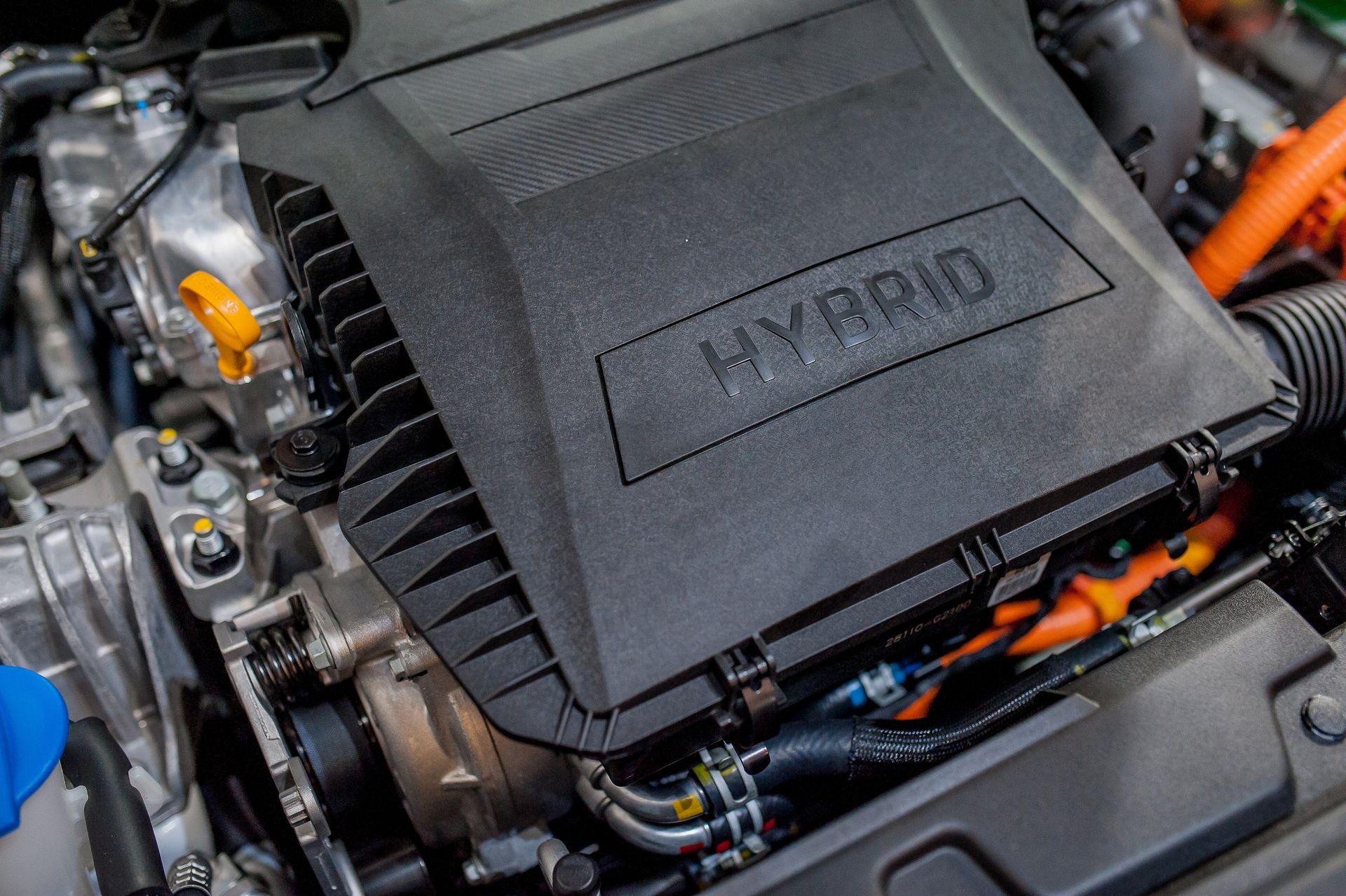
Engine oil gets most of the attention, and for good reason. Clean oil protects bearings, timing components, camshafts, valve train parts, and turbochargers on equipped engines. Low or dirty oil can do damage long before the driver hears a noise.
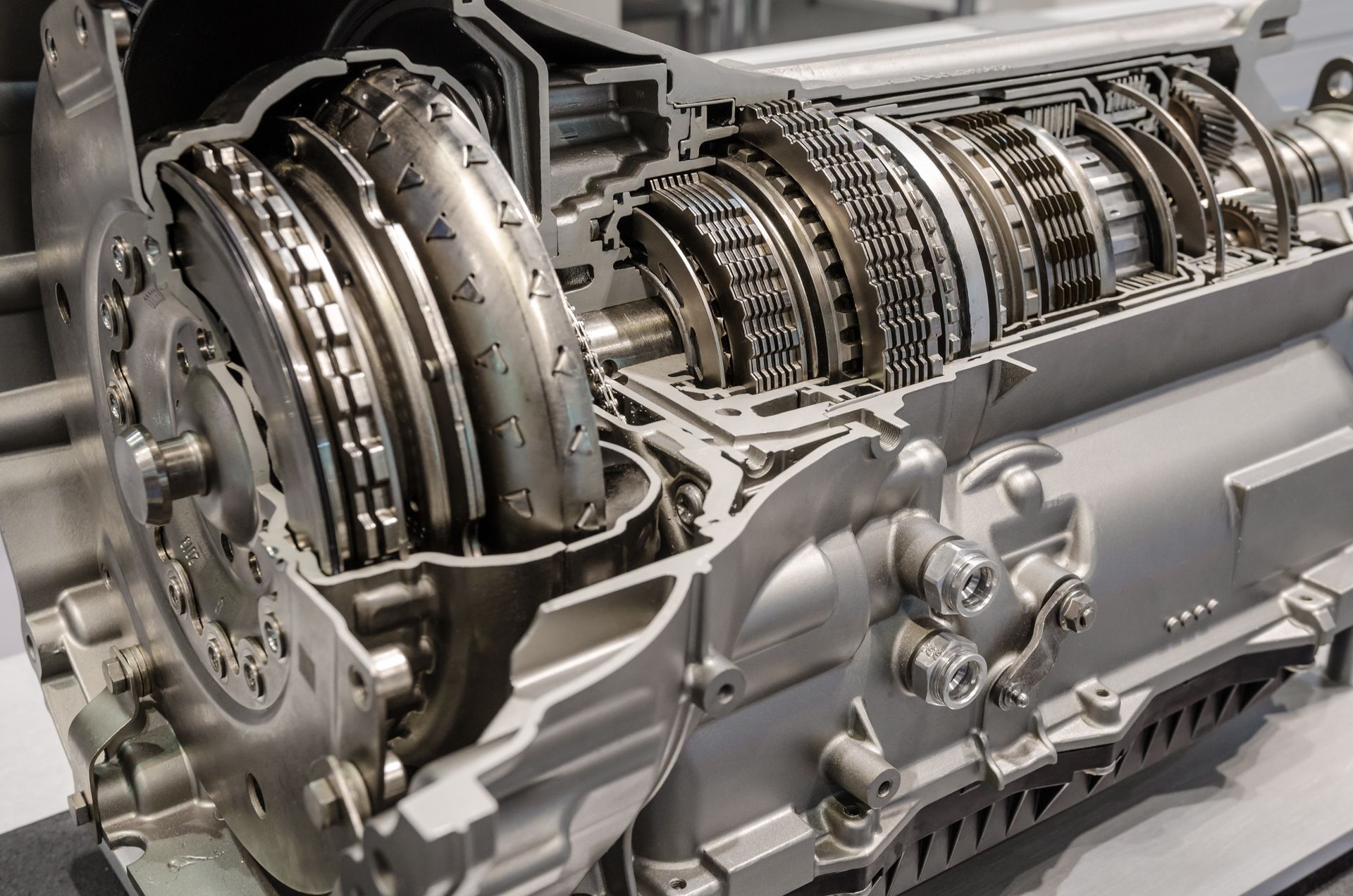
Other fluids deserve attention, too. Coolant controls heat. Brake fluid transfers pedal force. Transmission fluid deals with heat, pressure, and shifting. Power steering fluid on equipped vehicles keeps the assist working quietly.
We look at fluid level, color, smell, and signs of leakage because these details tell a bigger story. Dark transmission fluid, low coolant, or brake fluid that has absorbed moisture can all point toward service needs that should not wait until symptoms get worse.
Tires Tell You How The Vehicle Is Wearing
Tires are not only about tread depth. They show how the vehicle is sitting, steering, braking, and absorbing the road. Inside-edge wear can point to alignment or suspension problems. Cupping can point to worn shocks or struts. Feathering can point to toe alignment concerns.
A tire can look fine from the outside while the inside edge is nearly gone. That is why tire checks need more than a quick walkaround.
Rotations help tires wear more evenly, but they do not fix the reason a tire is wearing badly. If the wear pattern is wrong, the suspension, steering, pressure, and alignment all need a closer look.
Brake Wear Is Easier To Manage Early
Brake repairs get more expensive when the system is allowed to grind, overheat, or drag. Pads are designed to be worn. Rotors, calipers, hoses, and hardware are supposed to stay in good condition while the pads do their job.
If brake pads are measured early, the repair can be planned. If they are ignored until metal-to-metal contact occurs, rotors can be damaged, and the repair list can get longer.
Pay attention to squealing, vibration, pulling, a soft pedal, or a hot smell near one wheel. Those clues do not always mean a major brake problem, but they do mean the system needs to be checked before the brakes choose the schedule for you.
Small Leaks Should Be Traced Before They Spread
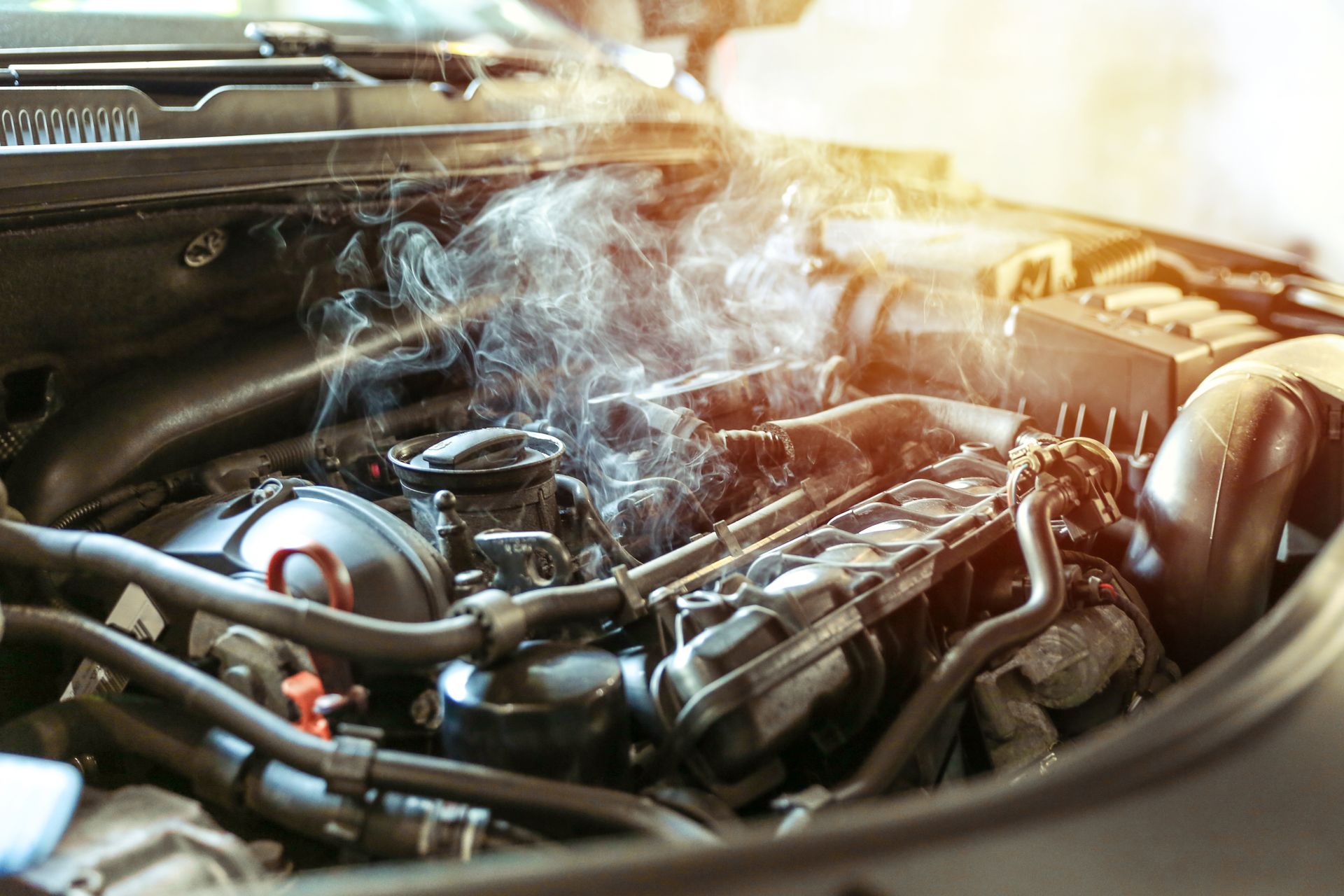
A small leak can stay small for a while, then make a mess fast. Oil can collect on splash shields. Coolant can dry on hot parts and leave crusty residue. Transmission fluid can seep slowly until shifting starts to change.
A clean driveway does not always mean the car is not leaking. Many leaks hide beneath covers or burn off before reaching the ground.
We trace fresh leaks from the highest wet area rather than just looking at where the fluid drips. That helps find the real source before the leak spreads across the engine or underbody and becomes harder to identify.
Warning Lights Need Clear Answers
A warning light is not always an emergency, but it should not become part of the scenery. The check engine light, battery light, oil pressure warning, brake warning, ABS light, and temperature warning all point to systems that need attention.
A steady check engine light gives you time to schedule diagnostics. A flashing check engine light, an overheating warning, an oil pressure warning, or a red brake warning requires immediate action.
Clearing codes does not repair the cause. It also erases information that could help track the problem. A good diagnostic process reads the code, checks live data, looks at the symptom, and confirms what failed before parts are replaced.
Reliability Comes From Consistent Care
Long-term reliability is rarely one big decision. It is a string of small ones. Changing oil on time. Checking coolant loss. Rotating tires.
Replacing filters. Testing the battery before it leaves you stuck. Handling small leaks before they coat half the engine.
Preventive maintenance gives you time to make better decisions. You can plan repairs, budget for wear items, and avoid turning a small service need into an urgent breakdown.
Get Preventive Maintenance In Burbank, CA, With Olive Auto Center
If your vehicle is due for service, showing early wear, leaking fluids, or starting to feel different,
Olive Auto Center in Burbank, CA, can check the important systems and help you build a practical maintenance plan.
Schedule a visit and keep your car reliable with the kind of care that catches small problems early.